
Kitchen & Bath Industry Outlook 2026: What Is Driving Demand for Stainless Steel Sinks and Faucets
The kitchen and bath industry moves into the second half of 2026 with a visible shift in direction. Growth is no longer driven by volume alone. Distributors, project contractors and e-commerce sellers are asking harder questions about material grade, surface durability, water efficiency and how quickly a supplier can deliver a coordinated sink and faucet package. For manufacturers based in Guangdong, that change shows up in almost every new enquiry.
1. Stainless steel remains the benchmark material
304-grade stainless steel is still the reference point for kitchen sinks, and the gap between 201 and 304 material is now widely understood by buyers. Appearance is the first clue: 201 tends to look brighter and more reflective, while 304 has a deeper, softer tone with a more substantial feel. The second indicator is thickness. Sinks between 1.0 mm and 1.2 mm hold their shape better under heavy use, resist dents and produce a quieter, more solid sound when struck. Material certificates and third-party test reports have moved from a "nice to have" to a standard part of the quotation.
2. Handmade sinks continue to move into the mainstream
Welded handmade sinks were once a premium niche product. They are now a mainstream category for mid and high-end projects. Buyers increasingly specify tighter corner radii, with R10, R15 and R25 profiles replacing older square corners because they are easier to clean. Undermount, topmount, apron front and workstation configurations are all in demand, and finish choice has become a deciding factor rather than an afterthought. PVD coatings in gold, rose gold, black and silver, together with nano-treated surfaces, allow a sink to be matched to the rest of the kitchen instead of standing apart from it.
3. Faucets: finish consistency and water efficiency
Faucet demand is following the sink. A buyer who orders a black handheld sink usually wants a black faucet from the same supplier, in the same tone and with the same coating durability. Alongside finish consistency, water efficiency and cartridge life are now central topics. Ceramic cartridges rated for hundreds of thousands of cycles, water-saving aerators and compliance with regional standards such as cUPC and NSF in North America, CE in Europe and WaterMark in Australia determine whether a product can enter a market at all.
4. Bathroom and shower packages are being sold together
Project buyers increasingly ask for one supplier to cover the whole wet area: bathroom basins, shower systems and matching accessories. Coordinated packages reduce the number of suppliers, simplify quality control and shorten installation schedules, which matters most for hotels, apartments and renovation projects on fixed timelines.
5. What buyers should confirm before placing an order
- Material grade and thickness, supported by certificates rather than verbal assurance.
- Coating type and expected service life, especially for coloured finishes.
- Certification status for the destination market before tooling or packaging is confirmed.
- Monthly capacity and realistic lead times during peak season.
- Packaging standard, spare parts availability and after-sales support for e-commerce channels.
Outlook
The direction for the rest of 2026 is clear: value-driven design, verifiable materials and complete kitchen and bath packages. Manufacturers that can document quality, hold consistent finishes across sink and faucet lines and deliver on schedule will keep winning orders, while those competing on price alone will find the margin harder to defend.
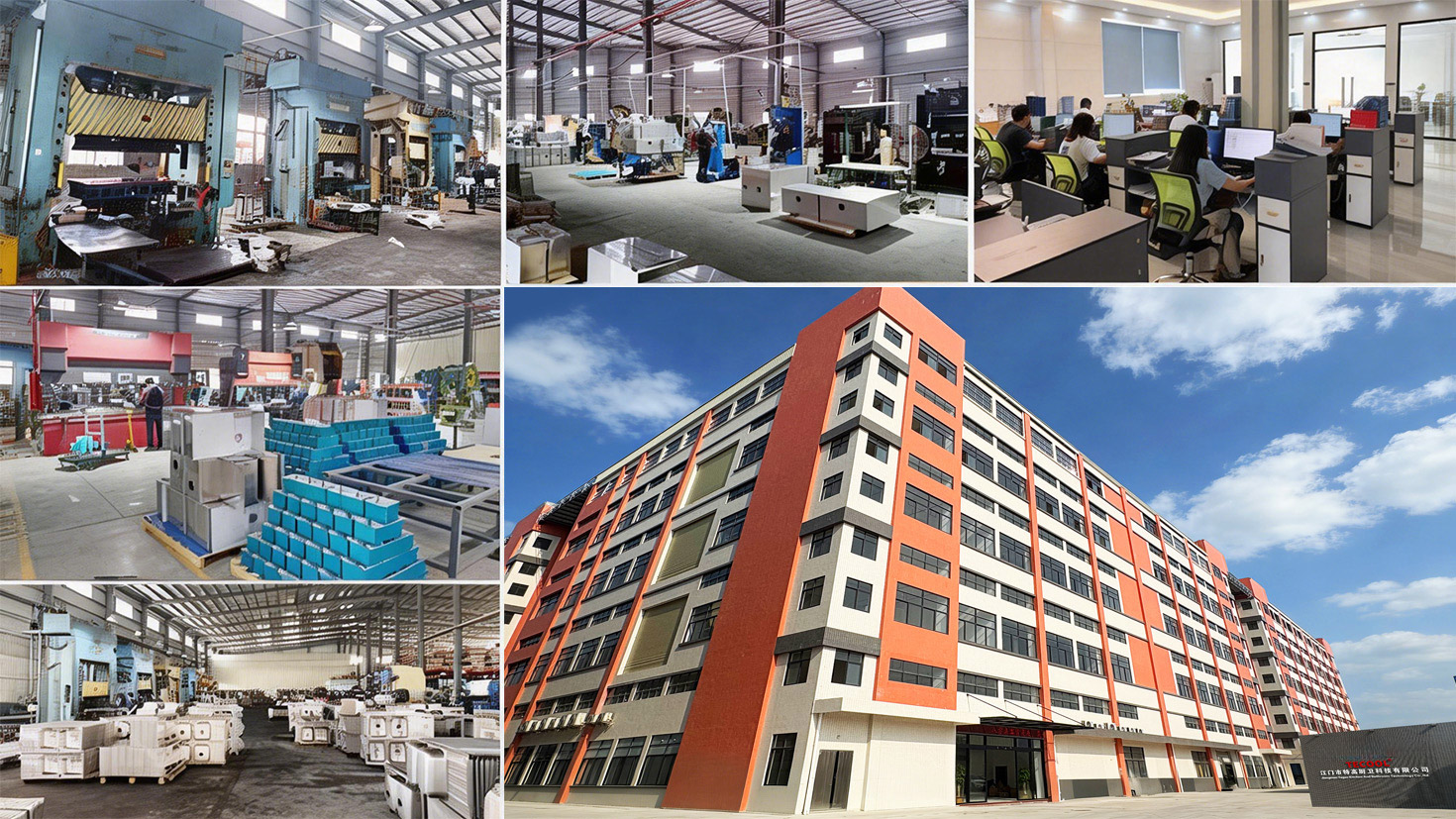
TECOOL is a professional manufacturer of stainless steel kitchen sinks and kitchen and bathroom products in Heshan District, Jiangmen, Guangdong Province, China. The company produces drawn (pressed) sinks, handmade sinks, bathroom basins, faucets and shower products, with a monthly capacity of over 50,000 pieces for drawn sinks and 8,000 pieces for handmade sinks.


