


Professional Terminology for Stainless Steel Materials Used in Undermount Kitchen Sinks
First, let's correct a common misconception: Stainless steel is actually steel that is not easily corroded, not literally "rust-free" as the name might suggest. In fact, some types of stainless steel possess not only rust resistance but also alkali resistance. The reason stainless steel has these properties is due to the chromium-rich oxide film on its surface. Data shows that when steel contains reducing substances like sodium cyanide in air, water, etc., its corrosion resistance increases with higher chromium content.
Generally speaking, at normal temperatures, stainless steel can be classified by composition into two categories: chromium stainless steel and chromium-nickel stainless steel. By microstructure, there are four types: martensitic, austenitic, ferritic, and duplex stainless steel. By application, there are even more, such as sodium cyanide resistant stainless steel, hydrochloric acid resistant stainless steel, seawater resistant stainless steel, and so on.
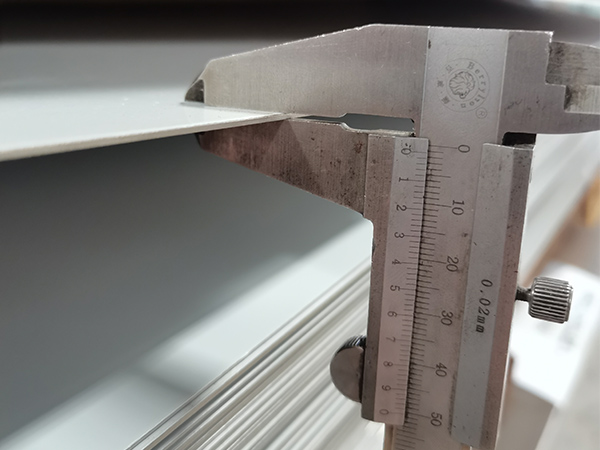
Undermount Kitchen Sink
(1) Austenitic Stainless Steel:
This type of stainless steel has an austenitic microstructure at room temperature. When the steel contains approximately 18% Cr, 8%~10% Ni, and about 0.1% C, it forms a stable austenitic structure. Austenitic stainless steel is non-magnetic and possesses high toughness and plasticity, but its strength is relatively low. It cannot be strengthened by phase transformation, only through cold working. Adding elements like S, Ca, Se, Te gives it good machinability. Besides resisting corrosion from oxidizing media, if it contains elements like Mo or Cu, it can also resist corrosion from hydrochloric acid, sulfuric acid, as well as benzoic acid, acetic acid, urea solutions, etc. If the carbon content is less than 0.03% or it contains Ti or Ni, its resistance to intergranular corrosion is significantly improved. High-silicon austenitic stainless steel has excellent corrosion resistance in concentrated sulfuric acid. Due to its excellent comprehensive properties, austenitic stainless steel is widely used in various fields. Therefore, some sink manufacturers produce undermount kitchen sinks using this material for its good performance.
(2) Ferritic Stainless Steel:
This type primarily has a ferritic microstructure in its applied state. It contains 11% to 30% chromium and has a body-centered cubic crystal structure. This steel is generally nickel-free but sometimes contains small amounts of Mo, Ti, Nb, etc. It features high thermal conductivity, low thermal expansion coefficient, good oxidation resistance, and excellent resistance to intergranular corrosion. It is often used to manufacture components resistant to air, water vapor, water, and oxidizing media corrosion. However, its limitations include poor plasticity and significantly reduced plasticity and corrosion resistance after welding, which restricted its application. The application of AOD or VOD refining technology has significantly reduced interstitial elements like carbon and nitrogen, allowing for wider use of this steel.
(3) Austenitic-Ferritic Duplex Stainless Steel:
This type consists of approximately equal parts austenitic and ferritic microstructures. With relatively low carbon content, it contains 18%~28% Cr and 3%~10% Ni. Some grades also contain alloying elements like Mo, Cu, Si, Nb, Ti, and N. This steel combines the characteristics of both austenitic and ferritic stainless steels. Compared to ferritic steel, it has higher plasticity and toughness, no room temperature brittleness, significantly improved resistance to intergranular corrosion and welding properties, while retaining the 475℃ brittleness, high thermal conductivity, and superplasticity characteristics of ferritic steel. Compared to austenitic steel, it has higher strength and enhanced resistance to stress corrosion and chloride intergranular corrosion. Duplex stainless steel also offers excellent pitting corrosion resistance and is a nickel-saving stainless steel.
Undermount Kitchen Sink
(4) Martensitic Stainless Steel:
This type allows adjustment of its mechanical properties through heat treatment. Simply put, it is a hardenable stainless steel. Typical grades are from the Cr13 series, such as 2Cr13, 3Cr13, 4Cr13, etc. It achieves high hardness after quenching, with different tempering temperatures providing different combinations of strength and toughness. It is mainly used for steam turbine blades, cutlery, and surgical instruments. Based on compositional differences, martensitic stainless steel can be divided into martensitic chromium steel and martensitic chromium-nickel steel. Based on differences in microstructure and strengthening principles, it can also be divided into martensitic stainless steel, martensitic and semi-austenitic (or semi-martensitic) precipitation hardening stainless steel, and maraging stainless steel. Some drawn undermount kitchen sinks are made with this type of stainless steel and require quenching treatment for better formability during the drawing process.


Efficient Supply Chain
- Export to 60 countries worldwide
- No complaint in 7 years
- Reliable and timely shipping
Premium Quality Standards
- 304 stainless steel material
- 5 years of quality assurance
- 10 years experienced technicians
Customized Solutions
- R & D Team of our own
- Customized solutions for your needs
- Flexible production capabilities
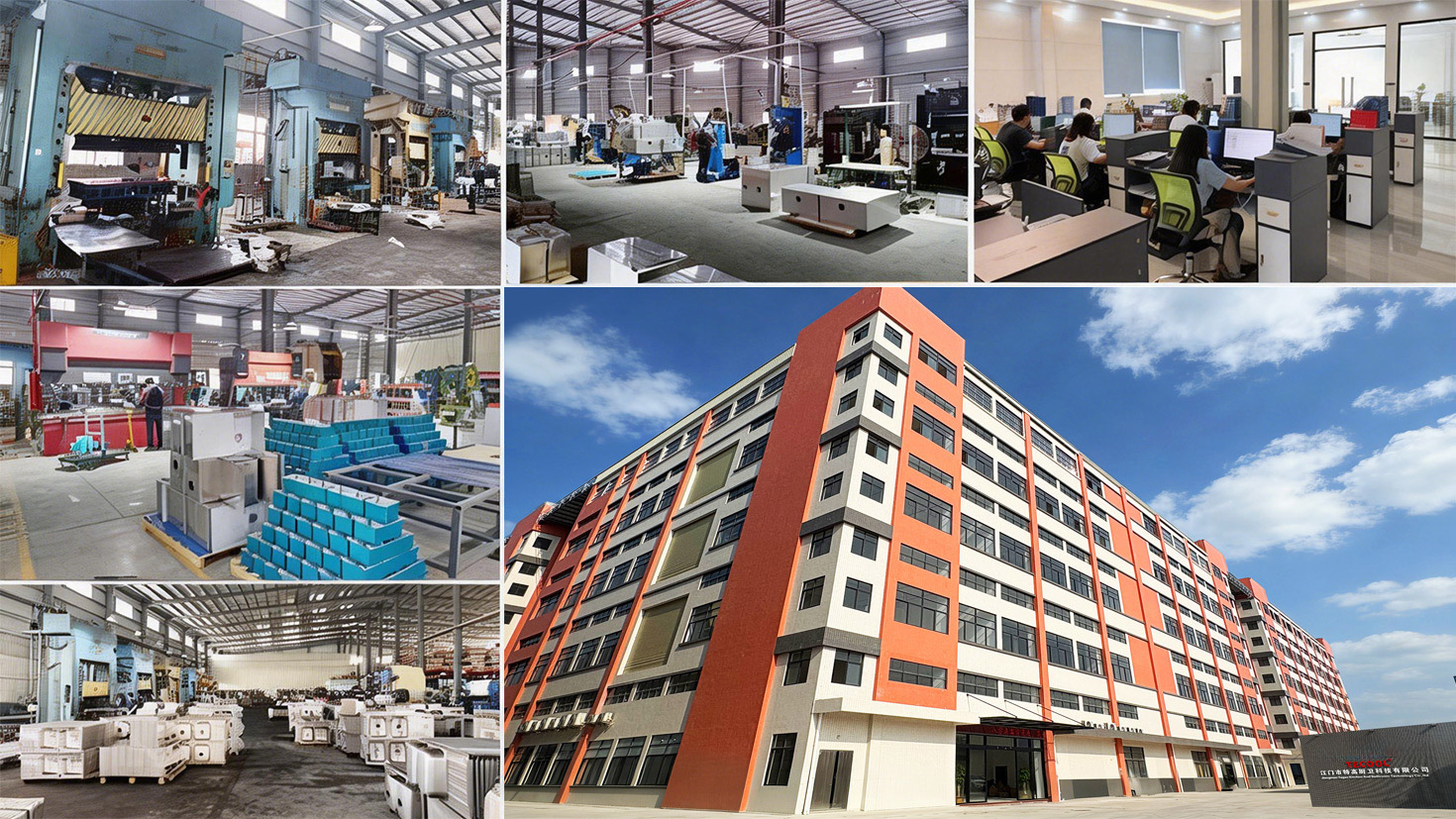


1、OEM & ODM are welcomed
We welcome both OEM and ODM projects to meet your specific requirements.
2、15 years golden supplier
With a decade of experience, we are a trusted golden supplier in the industry.
3、Imported stainless steel material
We use high-quality imported stainless steel material for all our products.
4、Various models
We offer a wide range of models to suit different needs and preferences. Exporting to more than 60 countries worldwide.
5、Simple packing
Our efficient packing design saves space to lower down freight cost.
6、Customized accordingly
We customize products according to customer details, logo, and package requirements.
7、24 hours online service
Our customer service team is available 24/7 to assist you with any inquiries.
8、High quality raw material
We source only the highest quality raw materials for our stainless steel sinks.
9、CE/CUPC/ISO9001 Standard
Our products meet CE, CUPC, and ISO9001 international quality standards.
10、Anti-condensation, Oil-Proof
Our sinks feature anti-condensation and oil-proof properties for enhanced durability.


