
How to Evaluate a Sink Factory Capacity and Real Lead Time
Every factory quotation includes a lead time, and most of them are optimistic. The number that matters is not what a supplier can do in a quiet month, but what it can still deliver when its presses are already booked. Here is how to tell the difference before you place the order.
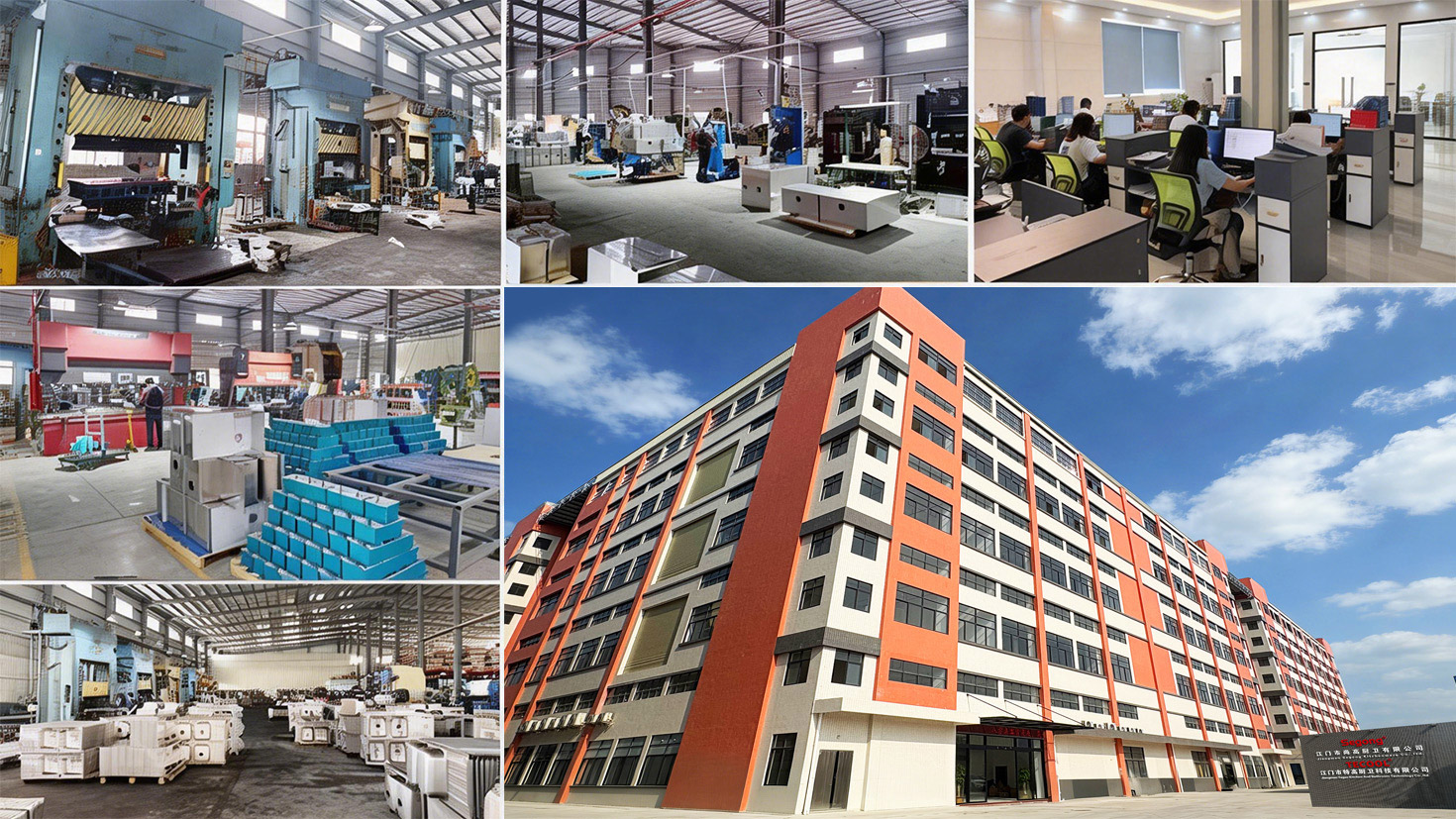
Capacity is not one number
Factories quote capacity in pieces per month, usually for their best-selling product. Ask for the breakdown instead: how many presses, how many dies, and what monthly output applies to the specific model you are buying. A factory that produces 50,000 drawn sinks a month may still be limited to a fraction of that in the bowl size you need, because capacity is set by tooling rather than by floor space.
The questions that separate a real answer from a sales answer
- How many dies exist for this model? One die means one production slot, and it is shared with every other customer buying the same model.
- What is currently booked? Ask what percentage of next month is already scheduled. A factory at eighty percent utilization will not deliver a new order in the quoted time.
- Where does the material come from? Coil lead time is often longer than production time, particularly when a specific grade or finish is required.
- Who does the finishing? If polishing or PVD coating is outsourced, the coating queue becomes your lead time, not the press.
- What happens at Chinese New Year? Production stops for two to four weeks and the weeks either side are the busiest of the year.
How a lead time is actually built
A realistic quotation adds several stages: material procurement, press and forming, welding and finishing, quality inspection, packing, and inland transport to the port. The 35 to 45 day figure that most Guangdong factories quote covers production and packing, not the ocean transit or the booking window. Add the sailing time, the port cut-off, and a buffer for the booking itself when you calculate when goods will actually arrive.
Red flags in a quotation
- A lead time that is shorter than the factory's own material procurement time.
- No production slot offered, only a date.
- Willingness to accept any quantity at a fixed price, regardless of tooling.
- No explanation of what happens if the delivery date slips.
Protecting the schedule
Put the agreed dates into the purchase order with a defined remedy: a shipping window rather than a single day, an agreed penalty or discount for late delivery, and a stated inspection date before packing. Where the volume allows it, split the order into two shipments so a delay on one model does not hold up the entire container.
For the supplier evaluation side, start with the drawn sink factory guide, and for the material side with verifying 304 stainless steel. Current production is listed under pressed sinks and handmade sinks, and TEGAO will confirm the current booked schedule and material lead time for any specific model through the contact page.


