
Bathroom Trends 2026: Wet Rooms, Freestanding Basins and Coordinated Finishes
Bathroom design in 2026 is shaped by three forces: smaller apartments, constant hotel and rental renovation cycles, and buyers who want the wet area to look designed rather than assembled. The result is a set of trends that directly affect anyone specifying basins, showers and bathroom accessories.
1. Wet rooms replace separate shower trays
Level-access wet rooms continue to take share from conventional shower enclosures. Removing the tray means the floor must be laid to a consistent fall, and linear drains are now the default choice because they handle the same flow rate in a narrower footprint. For suppliers this changes the accessory list: drains, grate finishes, waterproofing components and, increasingly, a matching stainless steel niche or shelf for the shower wall.
2. Freestanding and wall-hung basins
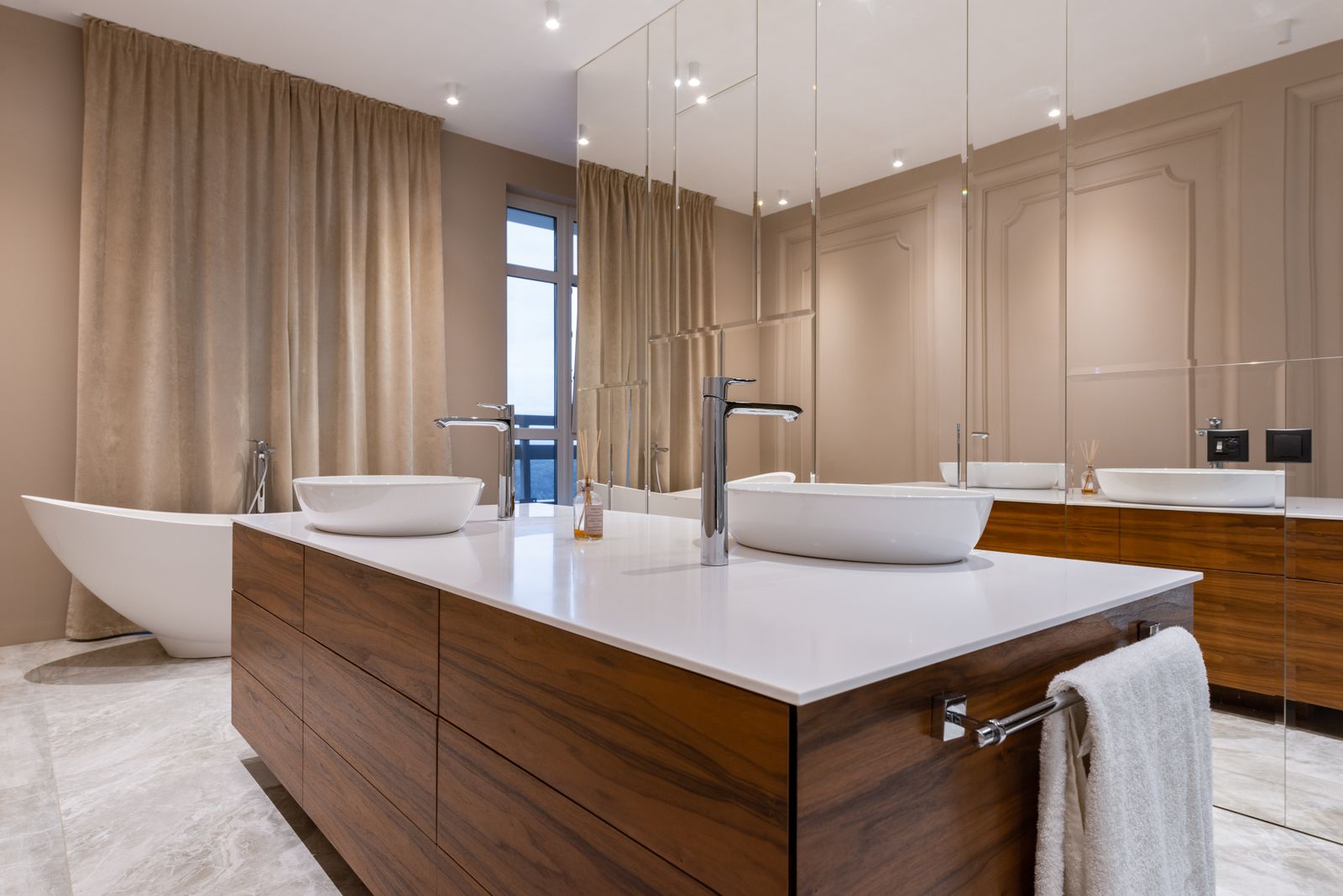
Freestanding basins give a room a focal point without the cost of a full vanity, while wall-hung designs keep the floor clear and make small bathrooms feel larger. Both put more weight on the basin itself, so wall thickness, concealed brackets and the quality of the finish become specification items rather than details. Stainless steel and stainless steel look-alike finishes are competing successfully with ceramic here because they are lighter, thinner-walled and available in colours that match the rest of the fittings.
3. Thermostatic showers and water efficiency
Thermostatic cartridges are now expected in hotel projects and requested in residential ones. Alongside them, water efficiency has moved from a marketing point to a compliance requirement: flow rates of roughly 6 to 9 litres per minute, water-saving aerators and certification for the destination market. Approval routes such as cUPC and NSF in North America, CE in Europe, WaterMark in Australia and WRAS in the United Kingdom decide whether a shower system can be sold at all.
4. Stainless steel in the bathroom
Humidity is the main enemy of any bathroom fitting. 304 stainless steel performs well in most interiors, while 316 is specified for coastal projects and areas with salt or chlorine exposure. The finish matters just as much as the grade: PVD coatings are being selected for bathroom use because they resist scratching and stay colour-stable, and buyers increasingly ask for salt spray test results before approving a colour such as matte black, brushed gold or gunmetal.
5. One coordinated finish across the wet area
The strongest trend is consistency. A project that specifies a brushed gold basin usually wants the same tone on the faucet, shower column and accessories, and buyers now expect one supplier to deliver all of it. Coordinating from a single source removes the most common complaint in bathroom packages: three fittings that were supposed to match but do not.
What buyers should confirm before ordering
- Certification status for the destination market, before tooling or packaging is confirmed.
- Finish durability, supported by salt spray or abrasion test data.
- Drain and waste compatibility with the basin or shower base that will be used.
- Spare cartridges and replacement parts, especially for thermostatic mixers.
- Packaging that protects coated surfaces in transit, with carton drop test results.
Outlook
Bathroom projects in 2026 reward suppliers who can offer a complete, colour-matched wet area rather than single items. Certifiable materials, documented finishes and reliable lead times are doing more for order conversion than price cuts.
TECOOL is a manufacturer of kitchen and bathroom products based in Heshan District, Jiangmen, Guangdong Province, China, producing stainless steel kitchen sinks, bathroom basins, faucets and shower products for distributors and project buyers worldwide.


